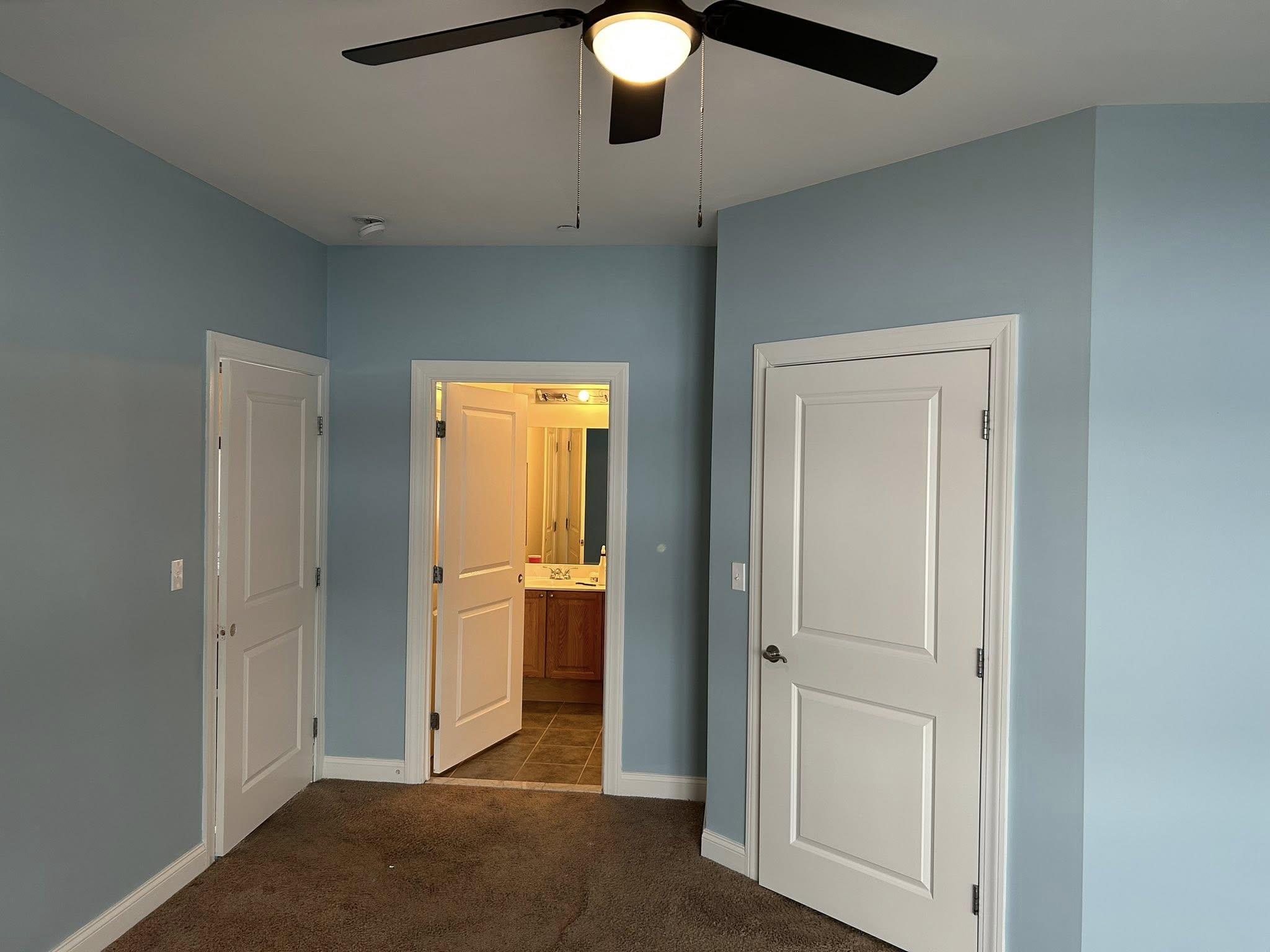
Elevate Your Interiors: The Role of Texture in Modern Painting Jun 01, 2026
Texture in painting isn't solely about leaving brush marks or utilizing specific types of paint. It encompasses a variety of techniques and materials that can alter a room's atmosphere and appearance. Understanding how to leverage texture can elevate your interiors beyond simple color changes, bringing depth and character to your space.
Starting with the basics, texture in interior painting can be achieved through the use of different materials and methods. Techniques such as sponging, rag rolling, or even sand layering can create visually intriguing surfaces that go beyond traditional flat paint. These methods introduce an element of dimension, making walls appear more dynamic.
One of the simplest ways to incorporate texture is by opting for paints that are specifically designed to give a textured finish. These paints often contain additives like sand or marble dust, providing a tactile quality that can mimic more luxurious materials such as stone or stucco. When applied by the trained professionals at Webster Interior Painting, these textured paints can transform a room, offering both visual interest and a unique feel that invites touch.
Beyond the product itself, the technique used to apply paint can also introduce texture. The craftsmanship involved in techniques such as stippling or combing requires a level of expertise to ensure consistent and appealing results. Not only do these techniques add an artistic flair, but they also contribute to noise reduction, making them a practical choice for busy households or office spaces.
Incorporating textured painting doesn’t just serve aesthetic purposes; it can also have practical benefits. For example, textured walls can be more forgiving, hiding minor imperfections like dents or blemishes in the plaster. This can be particularly advantageous for busy families or commercial environments where walls endure more wear and tear.
To fully realize the potential that texture can bring to your interiors, it’s crucial to plan and consider the space's existing elements. Texture should complement or contrast with existing features such as furniture, artwork, and architectural details. The experts at Webster Interior Painting recommend starting with focal areas such as feature walls or ceilings to prevent overwhelming the space.
As the desire for personalized and creative living spaces grows, integrating textured painting becomes a valuable tool. It allows homeowners to express individuality, craft sensory experiences, and enhance the ambiance of any room.
In conclusion, embracing texture in your interior decor can profoundly influence your environment's feel and function. By collaborating with professionals like those at Webster Interior Painting, you can ensure that your space not only matches your aesthetic aspirations but also serves as a testament to the transformative power of detailed and thoughtful design.
Whether you are looking to revitalize your home or enhance your office, consider the strategic use of texture to bring your space to life. Let Webster Interior Painting guide you in your journey to create interiors that are not just seen, but truly felt.
/filters:no_upscale()/filters:format(webp)/media/0219cd89-4673-480b-af94-b3a29f34654d.jpg)