The Psychology of Color: How Webster Interior Painting Can Influence Your Mood May 18, 2026
Color has an undeniable impact on our moods and feelings. Each hue evokes different emotional responses and behaviors, making color selection a crucial step in interior painting. By recognizing the unique characteristics associated with different colors, Webster Interior Painting can assist you in choosing shades that reflect and enhance the desired atmosphere of your environment.
Warm colors like red, orange, and yellow are commonly associated with feelings of warmth and comfort. Red is a powerful color that can encourage strong emotions such as passion or excitement. It is often used in dining rooms to stimulate appetite and facilitate lively conversations. Similarly, orange, an enthusiastic hue, can be used to create an energetic and uplifting setting. Yellow, inherently optimistic and cheerful, is ideal for spaces that require awakening and invigoration, like kitchens or family rooms.
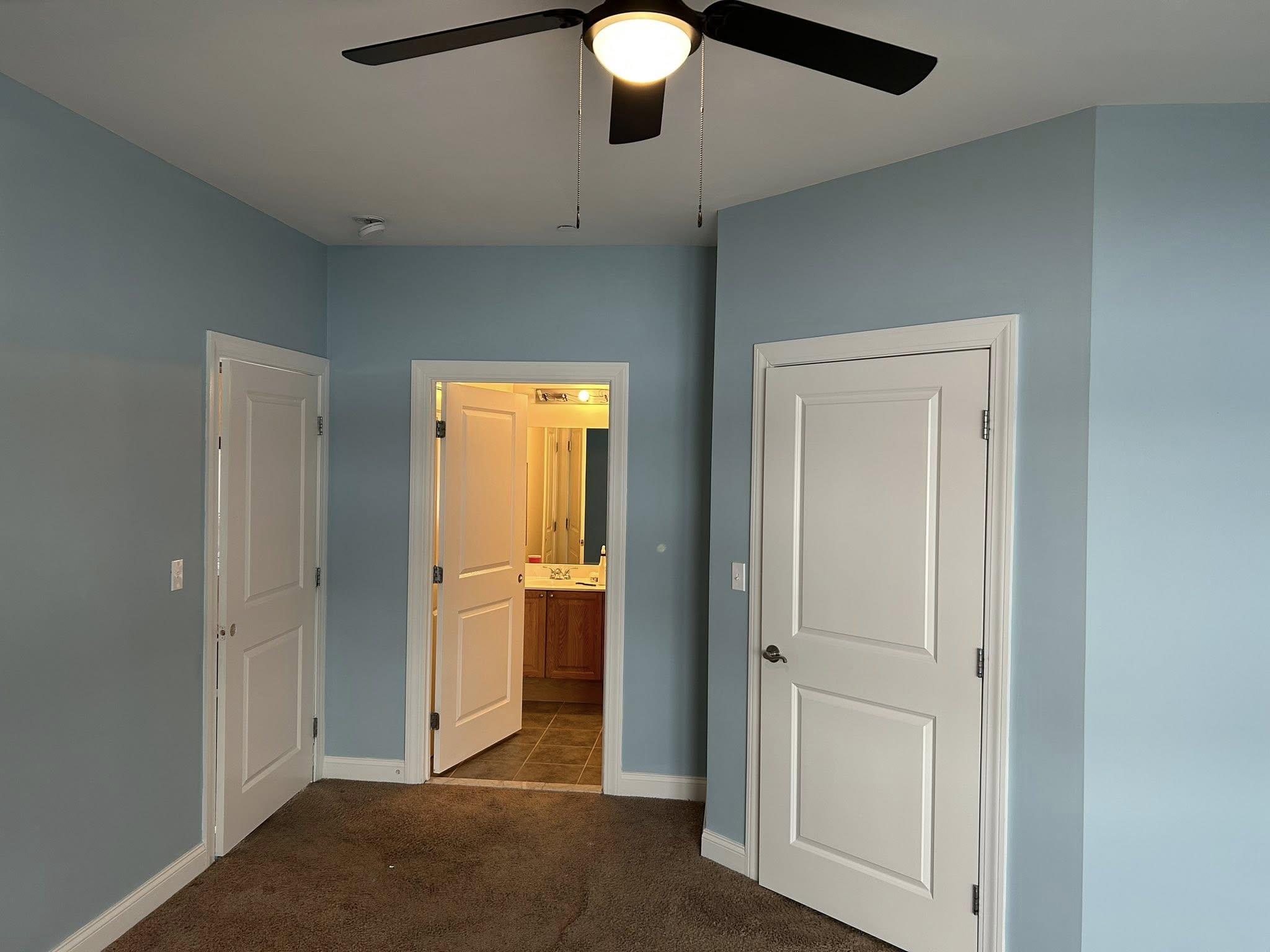
On the other hand, cool colors such as blue, green, and purple are known for their calming and relaxing effects. Blue is a popular choice for bedrooms and bathrooms due to its ability to reduce stress and promote tranquility. Green, reminiscent of nature, offers a renewing and refreshing vibe, making it perfect for spaces meant for relaxation, such as living rooms or home offices. Purple, which adds a touch of luxury and creativity, can be used effectively in spaces where you wish to inspire imagination or introspection.
Neutral colors including whites, grays, and beiges, though understated, play a pivotal role in mood enhancement. Webster Interior Painting expertly employs these tones to provide balance and harmony throughout your space. White exudes purity and simplicity, often used to make areas feel more spacious and clean. Gray, with its sophistication, is versatile and can complement both warm and cool tones. Beige acts as an excellent backdrop in any room, granting warmth without overwhelming.
Understanding the psychology behind color can significantly influence your interior painting decisions. Webster Interior Painting brings expertise to your project, ensuring your chosen color palette aligns with your emotional and functional goals for each room. Their professional painters work closely with clients to offer personalized consultations and recommendations, considering both aesthetic preferences and emotional impact.
In addition to choosing the right colors, consider the finish and texture of your paint. These elements play a vital role in the overall perception and feel of a room. Glossy finishes can add vibrancy and energy, while matte finishes often provide a soothing and understated backdrop. Webster Interior Painting offers a wide range of finishes to further tailor the desired look and mood of your space.
In conclusion, the psychology of color is a powerful tool in interior design, capable of transforming your home into a sanctuary that uplifts and reflects your personality. By partnering with Webster Interior Painting, you get expert guidance and quality craftsmanship that brings your interior vision to life. With the right colors, your space will not only look beautiful but will also enhance your comfort, happiness, and well-being.
/filters:no_upscale()/filters:format(webp)/media/0219cd89-4673-480b-af94-b3a29f34654d.jpg)